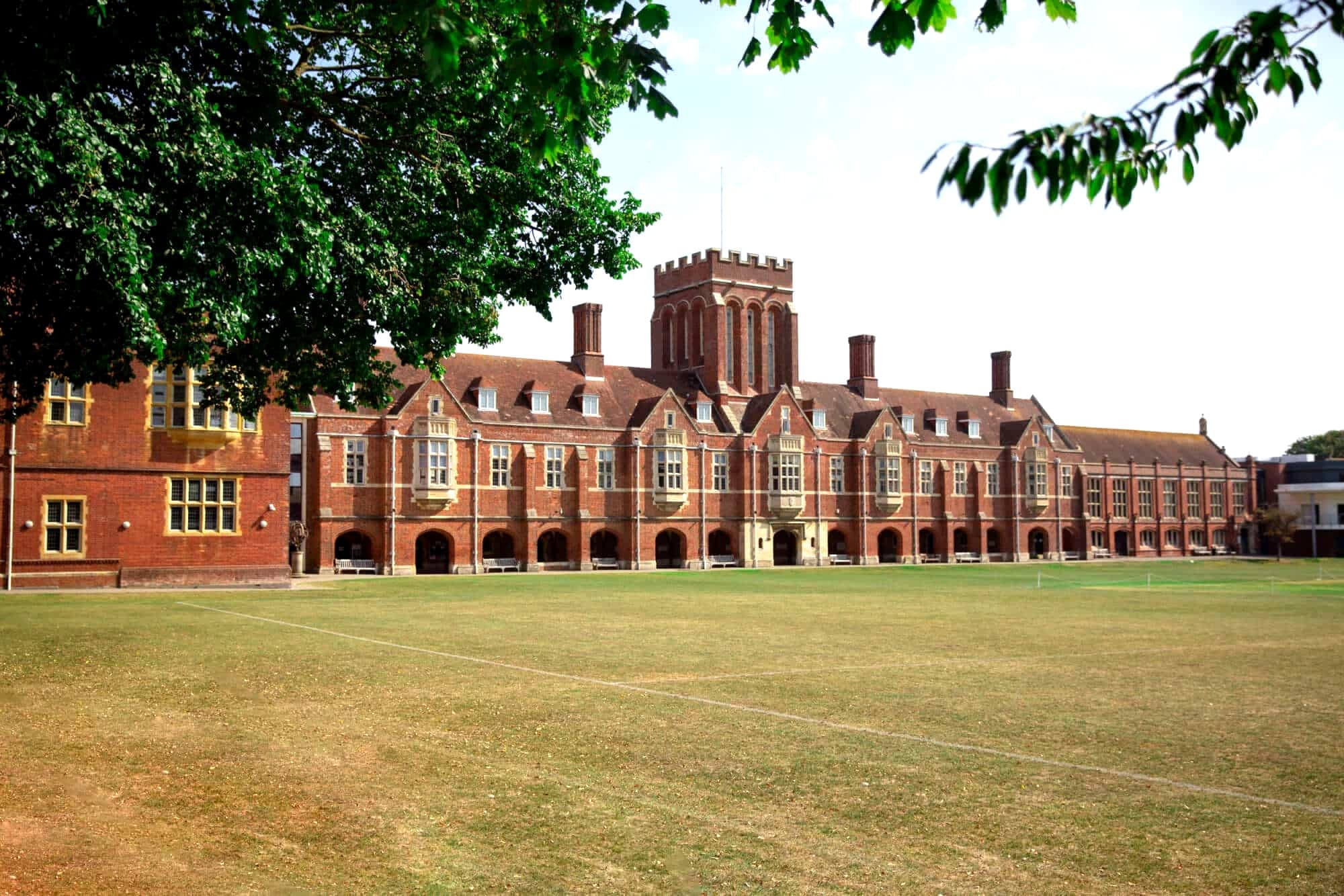

We arrived at Eastbourne College in 2006, and we’re still there now. Three generations of virtualisation, two telephony platforms, a 10-year run of Wi-Fi followed by a complete refresh, the £33M Project 150 campus redevelopment, and a working relationship with IT Director Joseph Burge that’s nearly a decade old in its own right.
This case study isn’t a moment. It’s a journey. The technology has been refreshed several times over; the relationship hasn’t. What’s in front of us now is the next chapter of the same story: moving the hypervisor to Nutanix AHV, replicating into mtech.cloud, and bringing St Andrews Prep down from Meads onto the main campus for 2027.
What kept changing
- Context:
Server estate, refresh after refresh. From a cupboard of one-OS-per-OEM-box, through three generations of HCI, the kit underneath has been rebuilt several times. The standard the college runs to has stayed continuous; the platform has not.
- Context:
Resilience as the school grew. Backup, recovery, failover and multi-site design all had to scale with the estate rather than be retro-fitted to it.
- Context:
Campus expansion on a live working school. Project 150 added a new academic block, a 25 m pool and a multi-sport hall while the day-to-day kept running. Temporary and permanent fibre paths had to live side by side.
- Context:
Multi-site connectivity. Main campus, plus St Andrews Prep up the road in Meads and the Beresford Sports Complex. That means real WAN engineering, not a couple of upstream broadband circuits.
- Context:
Telephony, from copper to cloud. The legacy on-premise copper system had to give way to VoIP, then to cloud-native.
- Context:
A device estate that shifted shape. A desktop Windows estate at the start, a fleet of iPads alongside it now, with managed-service device management around both.
- Goal:
The next move. Out of VMware, onto Nutanix AHV, and into a hybrid model with workloads replicating to mtech.cloud, all without disrupting term time.
A continuous platform, several generations deep
The technology has gone through real change. Each generation of refresh solved the problem in front of it and set up the next.
2006: Big white iron
Day-one estate: a rack of large OEM servers in a cupboard, one operating system per box. The standard for the time: capable, but ready for change. The starting line.
2007: First virtualisation
The first major refresh: a clustered, SAN-backed platform, virtualised on VMware (then at version 3) and backed up with early disk-based backup tooling, when virtualised-aware backup was still a novelty. The OS-per-box pattern was over.
Next-generation storage, modern backup joins
The next refresh moved the college onto a new clustered storage platform. A modern backup platform joined the stack as the backup of record, and stayed.
2015: Nutanix HCI
First hyper-converged refresh. The SAN-and-blades pattern was retired in favour of a Nutanix cluster: compute, storage and virtualisation in a single platform.
2016–2018: Project 150
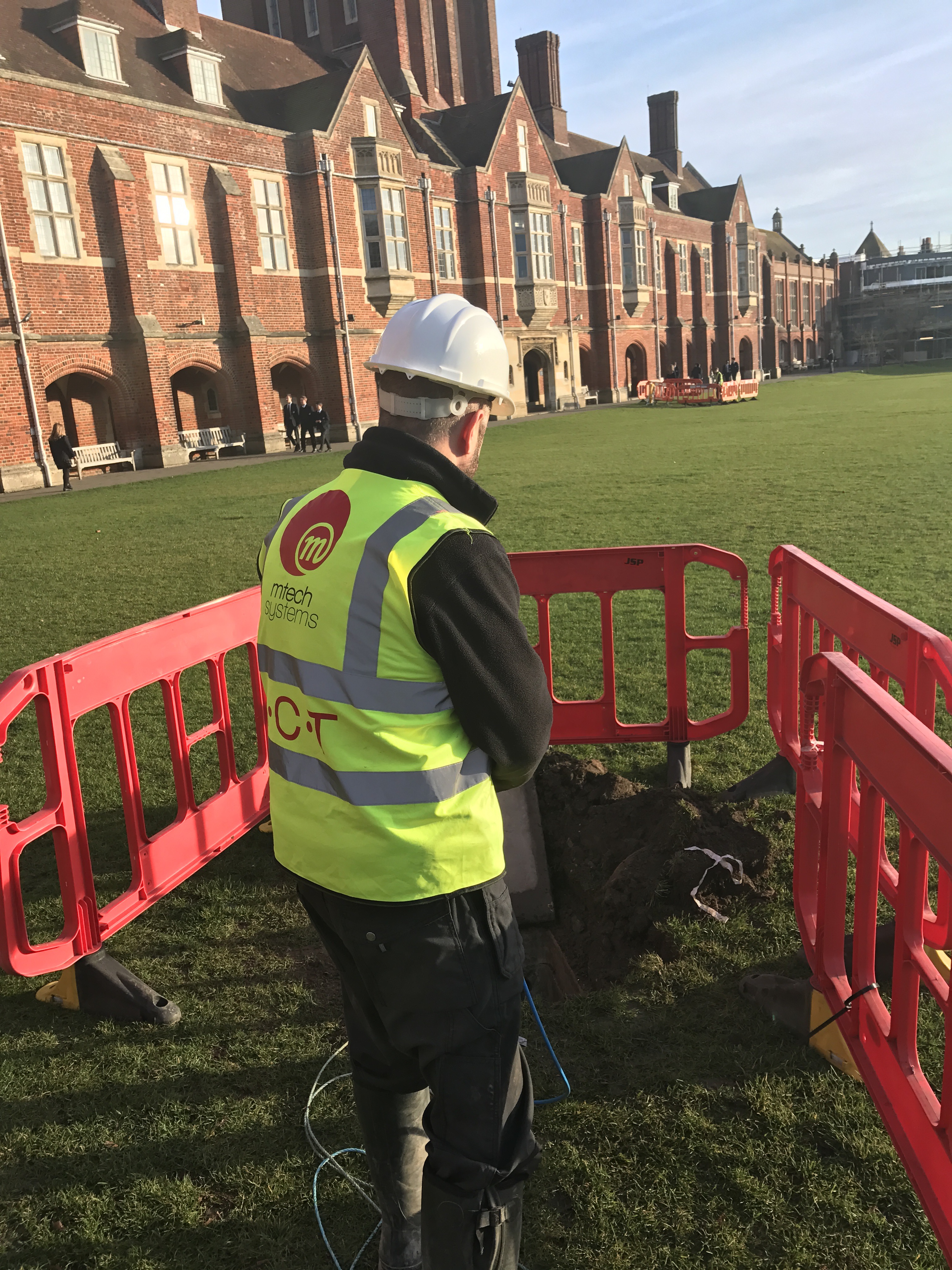
The £33M campus redevelopment, which the college described as “20 years’ worth of development in a two-year build”: the Nugee and Winn academic buildings, a new dining hall and reception, a 25 m swimming pool, a large multi-sport hall, squash courts, dance and fitness studios, and additional classrooms and social spaces. M-Tech ran temporary and permanent subterranean fibre links around the site, consulted on the network design and sat alongside the build team across both phases of construction.
2020: Nutanix today
A refresh of the Nutanix HCI platform, still in service today as the college’s private cloud. Same operating discipline, second generation of HCI hardware behind it.
Where it goes next
A further Nutanix refresh, removal of VMware in favour of Nutanix’s native AHV hypervisor, and workload resilience replicated into mtech.cloud, all in flight. Sitting behind it: the larger project of moving St Andrews Prep School down from Meads onto the main campus for the 2027 academic year. We expect to be involved.
What’s been built alongside
The HCI story is the spine, but it’s only one part of what we run for the college. Around it sit several years of network, perimeter, wireless, voice and device work.
Network core and perimeter. We’ve supported the network core for years. The perimeter has run through two generations of high-availability firewalling, each refresh bringing tighter integration with the wider stack.
Wide-area connectivity. We hold a direct carrier relationship, which means the WAN doesn’t go through reseller layers: a high-capacity link up to St Andrews Prep in Meads, a resilient link out to the Beresford Sports Complex, and multi-gigabit internet feeds in via our own network core.
Wi-Fi. One wireless platform ran the college for the best part of a decade. Recently we refreshed the whole site to a current-generation Wi-Fi 7 estate, on the same engineering discipline with the latest radios.
Telephony, three platforms in. The original on-premise copper system was retired in favour of the college’s first VoIP platform, and later replaced again with cloud-native telephony that still runs today across all sites.
Device estate. When iPads landed in the day-to-day, we brokered a managed Apple-device platform to look after the fleet alongside the Windows estate. A desktop automation and workspace-management layer was implemented for the Windows desktop estate, instrumental in keeping the desktop platform predictable and supportable across the years that followed.
The current stack
The kit that’s running today: the snapshot underneath all of the above.
Second-generation Nutanix hyper-converged cluster running the college’s private cloud. Currently on VMware ESXi; further refresh and AHV migration in flight.
Backup and recovery across the virtualised estate. Has been the backup of record across multiple refresh cycles.
The network core, supported through several generations. The fabric everything else rides on.
A high-availability firewall pair at the perimeter, the second such generation, with tighter integration into the wider stack each refresh.
Whole-site wireless refresh to a current-generation Wi-Fi 7 estate, replacing a decade-long run on the previous platform.
Cloud-native telephony across all sites, the third platform in a journey that started on legacy copper.
A managed Apple-device service for the iPad fleet: brokered, managed and supported alongside the Windows desktop estate.
The next move: workload resilience replicated into our UK private cloud platform, alongside the college’s own on-site Nutanix.
As always, M-Tech to the rescue. I can’t thank Martin and the team enough.
What the long view has delivered
Continuity through three HCI generations
Three full virtualised-infrastructure refresh cycles, from early SAN-backed clusters to two generations of Nutanix, delivered without breaking continuity for the college. The operating standard stayed the same; the platform underneath got better each cycle.
Project 150, delivered alongside the day-to-day
A £33M campus redevelopment, multi-phase, on a live working school. Permanent and temporary subterranean fibre laid as the buildings went up; network design consulted on across both build phases.
Multi-site connectivity from one partner
Direct carrier relationship, high-capacity links to the Prep School and the Beresford Sports Complex, multi-gigabit internet out of our own core. No reseller layers, one number to call when something blinks.
A platform poised for the next move
Nutanix refresh in flight, AHV migration planned, mtech.cloud replication for resilience, and the St Andrews Prep main- campus consolidation expected to open for the 2027 academic year. Same engineering bench, next chapter.
M-Tech Systems continues to be an outstanding partner to Eastbourne College and St Andrew’s Prep. What sets them apart is not simply technical capability, but the consistency with which they deliver it. They have built a team of genuinely talented individuals, and the result is an organisation that has never once failed to find a solution to any challenge we have placed before them, and we have tried!
From day-to-day support escalation through to complex strategic projects, M-Tech has supported us for many years now and has expertly handled every aspect of our IT environment with professionalism. They understand our needs, respond with speed, and bring the kind of proactive thinking that prevents problems rather than merely fixing them.
We regard them not as a supplier but as a trusted partner, and we would recommend them without hesitation to any organisation seeking an IT partner of genuine quality.
Platform at a glance
- Relationship
- continuous since 2006
- Sites
- main campus, St Andrews Prep School (Meads), Beresford Sports Complex
- WAN
- Direct carrier relationship, with a high-capacity link to St Andrews Prep and a resilient link to Beresford Sports Complex
- Internet
- Multi-gigabit feeds via M-Tech’s own network core
- Windows desktop estate
- managed desktop automation + workspace-management layer
- In flight
- Nutanix refresh, removal of VMware in favour of AHV, workload replication into mtech.cloud
- Coming
- St Andrews Prep main-campus consolidation, planned for the 2027 academic year
In numbers
- 02 / 04Project 150 campus redevelopment delivered alongside the day-to-day£33M
- 03 / 04Sites on one connected estate: main campus, St Andrews Prep and Beresford0
- 04 / 04The year we started, and we’re still building0
One last thing: a personal note
Behind the relationship
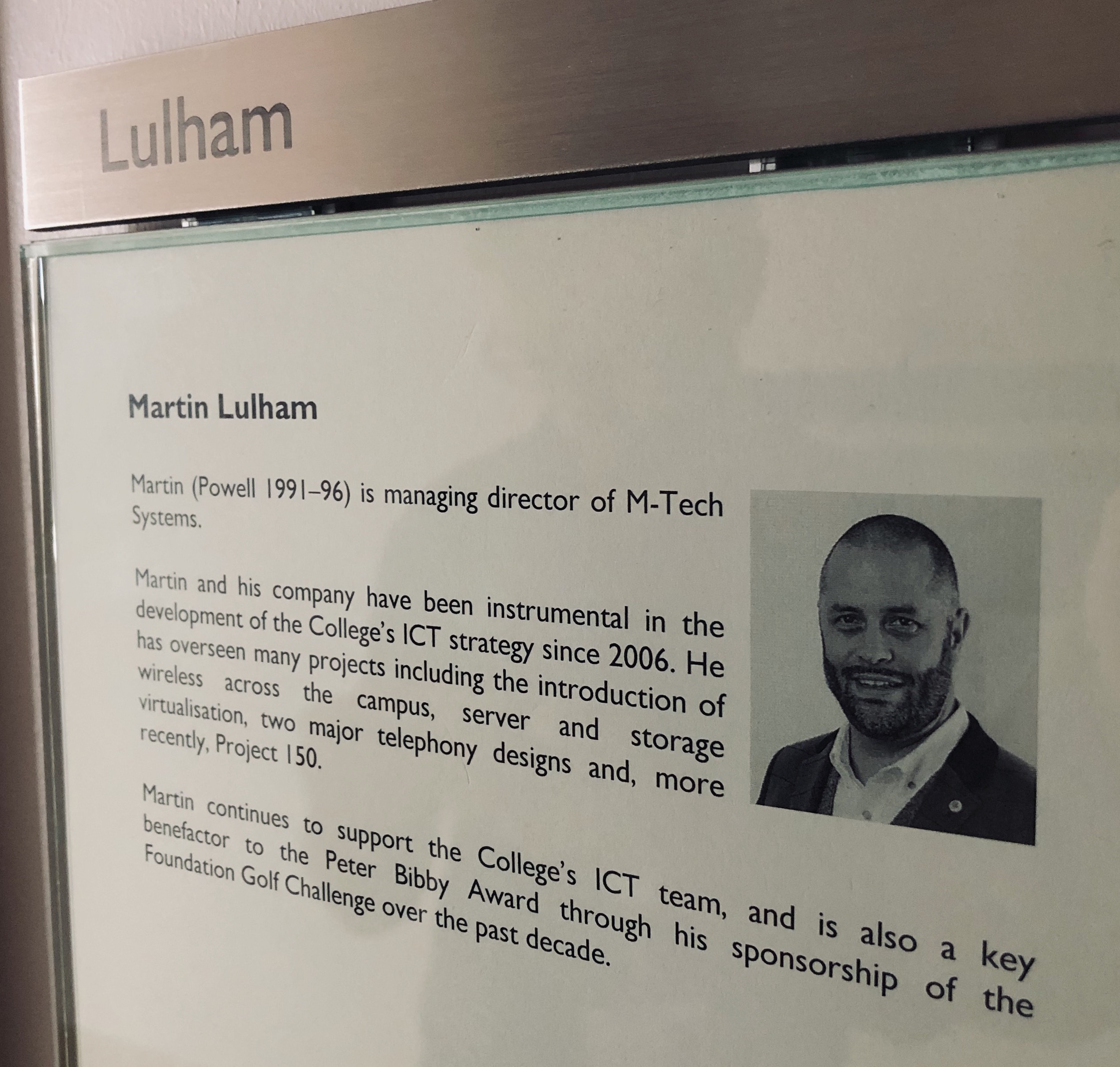
An Old Eastbournian, still looking after the college
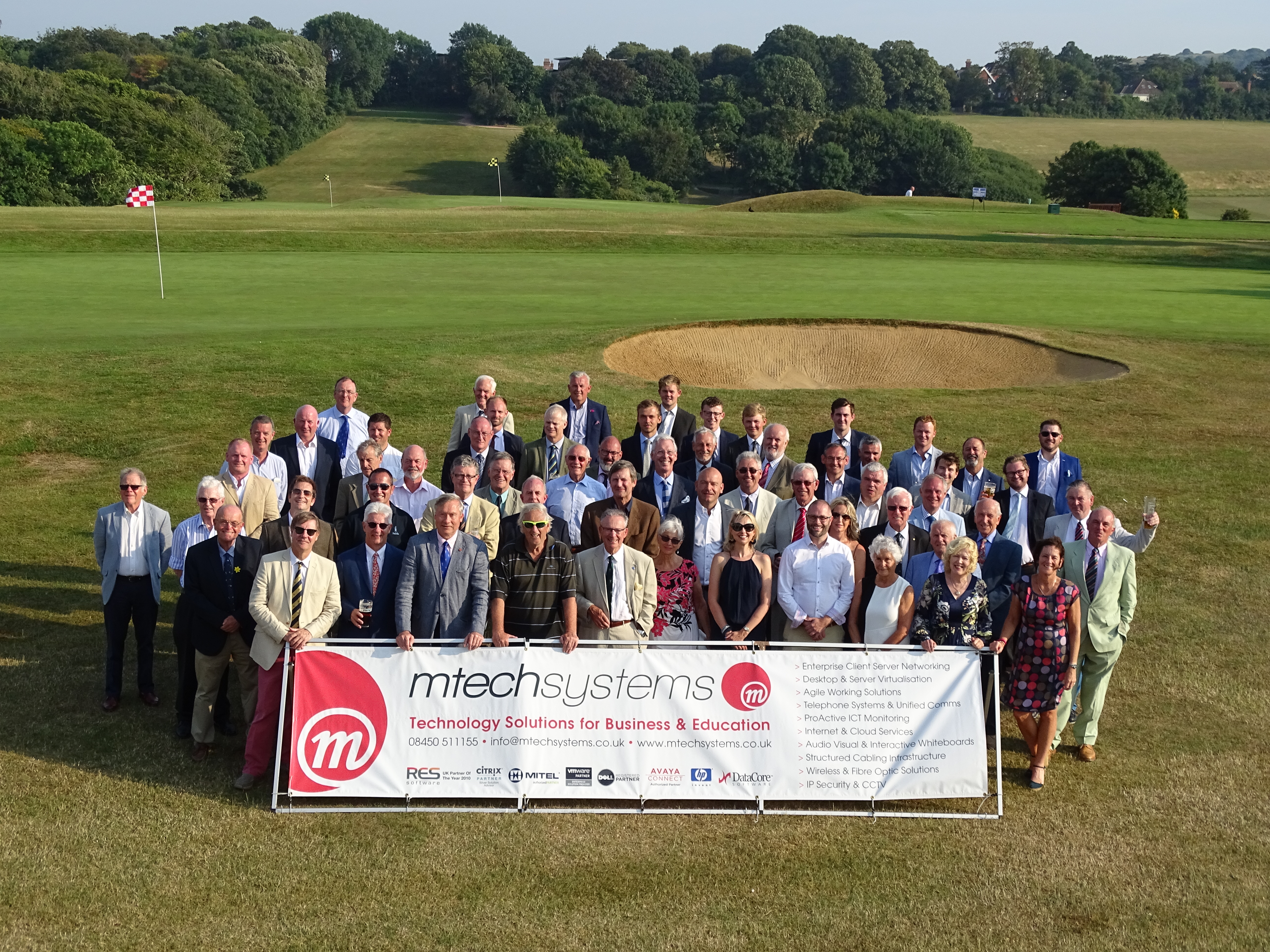
Part of the reason this relationship has stayed continuous for nearly two decades is that it isn’t purely commercial. M-Tech’s Managing Director Martin Lulham is himself an Old Eastbournian (Powell, 1991–96). He’s continued to back the college outside the contract, as a benefactor of the Peter Bibby Award and as long-time sponsor of the Foundation Golf Challenge. Inside the new Nugee academic building, one of the ICT suites is named in his honour, the plaque on the wall setting out his role across the campus ICT story since 2006.
It’s a useful reminder of why long-tenure partnerships work: the people on both sides care about the outcome past the next refresh cycle.